

You can usually spot window moisture damage before it becomes a serious issue. Minor visual changes, subtle scents, and frequent temperature shifts provide early evidence. When you recognize window moisture damage signs, you can ensure your safety and comfort as well as longer-term value. Fragile, swollen frames, as well as recurring condensation usually indicate a seal issue or trapped moisture. The early detection of problems allows you to plan timely resolutions for emergency foggy window repairs or scheduled repairs.
Early Window Moisture Changes Deserve Immediate Attention
Window moisture damage develops slowly, but it never stays harmless. You often notice minor changes first. A clear view looks cloudy. A window frame feels softer than before. A faint, damp smell lingers nearby. These moments usually mark the early signs of window damage.
The effects of moisture on materials increase over time. Wood absorbs water and then expands. Seals lose their strength. Glass insulation becomes less durable. However, if moisture is not controlled, the efficiency of energy reduces and indoor comfort suffers. When you are aware, you can control your environment prior to the damage spreading beyond your window.
Foggy Glass Often Signals Internal Moisture Damage
Foggy glass rarely appears overnight. You often notice haze forming between panes over weeks or months. That haze usually means moisture has entered through a failed seal. Once trapped, water reduces insulation and blocks visibility.
This condition often leads homeowners toward foggy window glass repair and replacement. Without repair, temperature control becomes harder. Heating and cooling systems work longer. Energy costs rise quietly. Through early action, you preserve both comfort and efficiency.
Many homeowners recall the first sign clearly. Morning light loses sharpness. Outdoor details blur. That simple change often signals deeper moisture problems inside the window unit.
Changes in Window Frame Texture Reveal Moisture Exposure
Window frames respond quickly to moisture exposure. They swell, soften, or crack. Paint begins to peel or bubble. Composite materials may warp slightly. These changes count among the most reliable window moisture damage signs.
You can often feel the problem before seeing it. A gentle press reveals softness. Edges lose firmness. Corners appear uneven. These physical changes suggest water absorption beneath the surface. Early repair prevents frame replacement and protects surrounding walls.
Persistent Odors Often Reveal Hidden Moisture
The smell of a room can be a warning sign. There may be an odor of dampness or mustiness close to a window, particularly when it is humid. The smell usually occurs due to moisture trapped in the frame or its trims.
Lack of airflow allows moisture to stay. Over time, odors grow stronger. Comfort decreases. This is often due to the hidden damage to moisture that requires immediate attention prior to spreading into the flooring or walls.
Stains and Discoloration Commonly Appear Near Window Edges
Stains often appear near window edges, corners, or nearby walls. Pale and dark patches may develop slowly. These marks often reflect repeated moisture contact.
You might dismiss them as cosmetic at first. However, stains usually trace moisture paths. Each mark tells a story of condensation, leaks, or seal failure. These early signs of window damage often indicate problems behind the surface.
Increasing Condensation Reflects Ongoing Moisture Problems
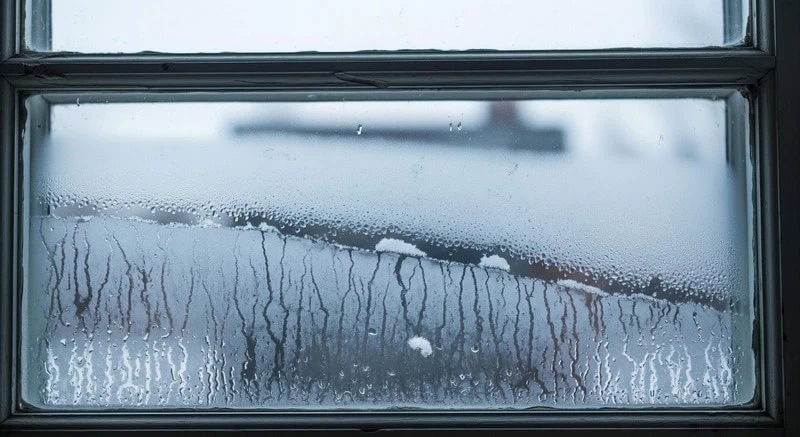
Occasional condensation feels normal. Persistent condensation does not. When droplets appear daily, moisture likely enters the window system repeatedly. This pattern often links to common causes of window moisture buildup, such as seal wear, poor insulation, or airflow imbalance.
Glass cools faster than surrounding materials. Moisture occurs when hot indoor air meets a cold surface. Failed seals worsen this process. Over time, condensation accelerates material wear and encourages further damage.
Drafts Often Develop Alongside Moisture Damage
Drafts often appear subtle at first. You may feel temperature changes near windows during quiet moments. These drafts usually enter through gaps caused by warped frames or weakened seals.
Airflow carries moisture with it. As outside air enters, humidity follows. This combination reduces comfort and increases strain on heating and cooling systems. Drafts paired with condensation often confirm advancing moisture damage.
Certain Moisture Conditions Require Immediate Repair
Some moisture issues allow time for planning. Others demand immediate care. Rapid fogging, cracked glass, or visible water pooling often signal urgency. In these cases, emergency window glass repair and replacement services protect safety and prevent further structural harm.
Timely emergency foggy window repair restores visibility and insulation. Planned solutions such as foggy window glass repair and replacement address long-term performance. The right response depends on damage severity and material condition.
Professional Evaluation Clarifies the Extent of Damage
Professional inspection reveals damage that remains hidden to the eye. Specialists assess seals, frames, and insulation layers. Moisture sources become clearer. Repair options align with actual conditions rather than assumptions.
Experienced providers such as Tanic Glass often focus on restoration when possible. Repair preserves existing materials and limits disruption. Replacement becomes necessary only when damage exceeds repair limits. When a full upgrade is required, knowing the 7 common types of glass for windows ensures you select a replacement that offers superior insulation and longevity.
Early Awareness Protects Daily Comfort and Stability
Windows influence light, temperature, and quiet more than most features. Moisture damage disrupts all three. Rooms feel colder. Views fade. Outdoor noise increases. These changes affect daily comfort gradually.
By recognizing window moisture damage signs early, you protect the experience of your living space. Repairs feel simpler. Costs remain manageable. Comfort returns without major renovation.
Moisture Awareness Preserves Window Performance
Window moisture damage often begins quietly. Subtle changes appear before serious harm follows. Foggy glass, soft frames, odors, and stains often share the same root cause. By recognizing window moisture damage signs, you protect comfort and structure early. With timely support from trusted providers like Tanic Glass, windows regain clarity, strength, and reliability. Awareness today keeps your living space stable tomorrow.
H2 – FAQs
Why does window fog appear?
Fog appears when moisture enters between glass panes through failed seals. Trapped water blocks clarity and weakens insulation over time.
How can moisture damage start?
Moisture enters through cracked seals, small gaps, or recurring condensation. Temperature differences accelerate water buildup inside window systems.
What smells suggest window issues?
Musty or damp smells near windows often signal trapped moisture behind frames or trim. Limited airflow allows smells to linger.
When is urgent repair needed?
Urgent repair becomes necessary when fogging spreads quickly, glass cracks, or water intrusion threatens safety and insulation.
Where do stains usually show?
Stains usually appear along frame edges, corners, or nearby walls. Discoloration reflects repeated moisture contact over time.
Learn more through articles covering similar subjects.