Work-related accidents are among the most challenging issues that employers are confronted with in their various sectors. This can range from the construction industry, warehousing, manufacturing, healthcare, to facility management. Many people grossly underestimate how proper workwear helps prevent accidents despite training and safety measures.
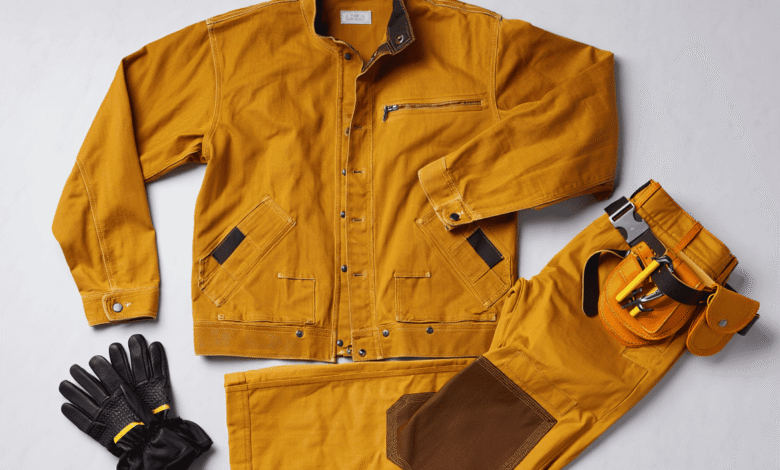
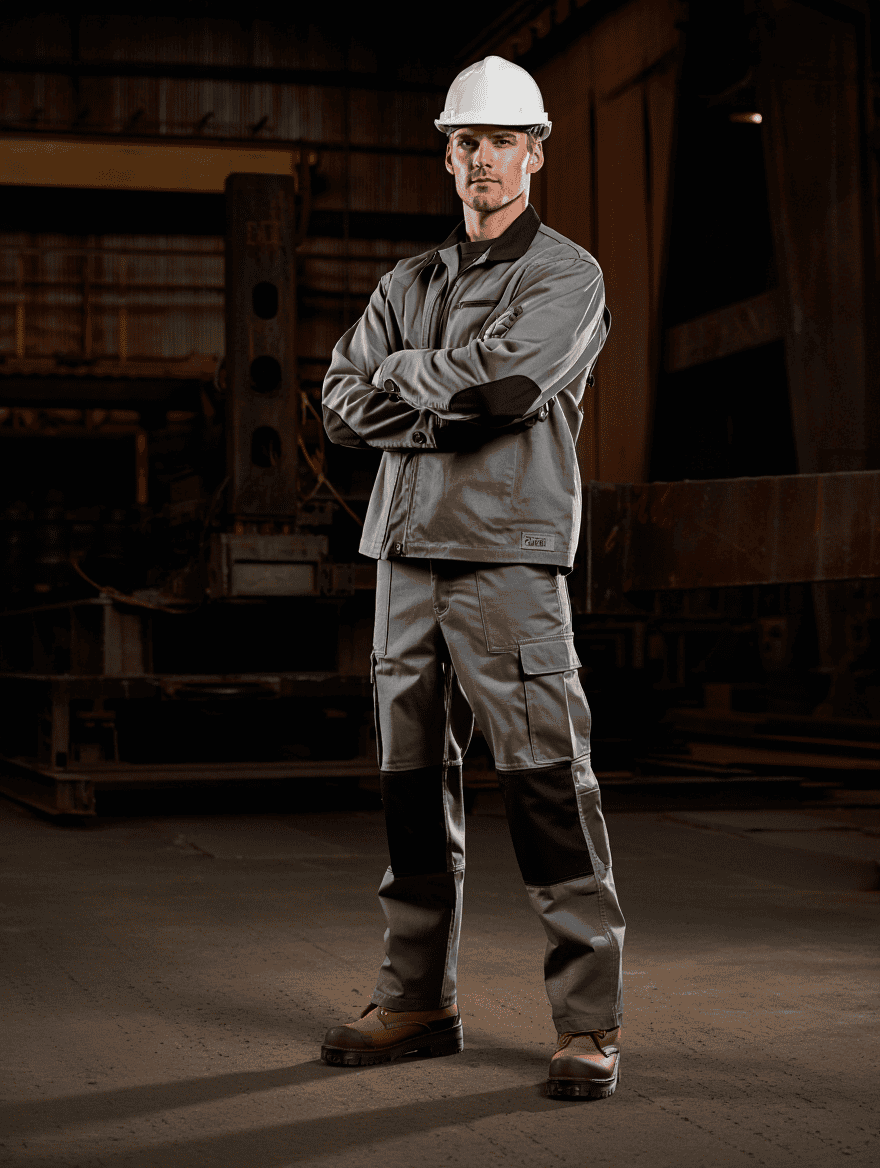
The right attire for work means more than a mere corporate identification; it has been seen that effective workwear and personal protective equipment are a major part of a company’s overall plan for protecting employees. Good-quality workwear can provide a support mechanism, improved protection, and a morale-booster for those in the organisation.
With this guide, we will examine how proper work attire can avoid common incidents in the workplace, increase employee morale, and contribute to a healthy working environment.
1. Workwear as the First Line of Defense
Workplaces are all different in their potential hazards. Construction sites involve heavy machinery, falling objects. Storage facilities involve hazards of slips, contacts, and machine collisions. Hospitals involve hazards of infections, liquids, sharps, and so on. Choosing reinforced workwear options ensures workers have dependable, enhanced protection suited for these varied environments.
Good workwear provides a certain, initial protection for workers against:
- Extreme heat
- Extreme cold
- Mechanical hazards (cuts, abrasions, impact)
- Exposure to chemicals
- Hazard of heat, flames, and electricity
- Slips and falls
- Weather conditions
- Limited visibility
- Strain due to repetitive motion
Without proper work attire, employees are still susceptible to injuries that can be completely avoided. High-quality work attire and personal protective equipment greatly minimize such risks.
2. High-Visibility Clothing Averts Collisions and Struck-by Inc
Among the most successful methods used in accident prevention involves improvement in visibility. A significant proportion of industrial injuries takes place due to lack of easy visibility of employees, especially in:
- Warehouse with forklifts
- Roadside work zones
- Construction sites
- Transport yards
- Low-lighted or night conditions
High visibility, also known as hi-vis, workwear features fluorescent materials along with reflective strips to make it easy for employees to be seen in their environment. This becomes important when there are heavy machinery and vehicles involved.
Hi-vis clothes are effective in preventing:
- Car accidents
- Machinery strikes
- Trip and fall incidents related to a lack of visibility • Miscommunication in crowded or fast-paced environments in cases where there is constant movement, hi-vis wear is a very effective safety device.
3. Protective Fabrics Minimize Injuries from Physical Hazards
Every working environment requires a certain standard of protection. We use advanced fabrics for contemporary workwear. These fabrics are designed to protect employees from a certain set of risks.
Examples of protective fabrics are:
- Flame-resistant fabrics: resist burns in high-heat conditions
- Anti-cutting fabrics: resistant to abrasions and sharp substances
- Chemical-resistant coatings: protect skin from harmful chemicals
- Waterproof membranes: protect from cold stress and slip hazards due to wet clothes
- Anti-static materials. These are used to resist sparks in explosive environments.
Selecting work clothes with proper fabric can make all the difference between a near-miss event and a serious injury.
4. Footwear That Prevents Slips, Trips, and Falls
Foot injuries are a common form of accident in the workplace. Proper footwear can help avoid such accidents.
Safety footwear must-feature the following:
- Slip-resistant soles
- Steel or composite toe caps
- Puncture-resistant midsoles
- Waterproof linings
- Shock-absorbing heels
- Thermal insulation where needed
Anti-slip shoes alone can prevent innumerable falls from oily, wet, and slippery surfaces. Anti-slip shoes also help in maintaining proper posture, fighting fatigue, and protecting against musculoskeletal injuries.
5. Insulation and Weather Protection: Reducing Risks of Cold
The working conditions that can be impacted by environmental influences are of a nature that can affect performance and working conditions. Working in low-temperature conditions, for
- Less grip (due to numb fingers)
- Slow reaction time
- Muscle stiffness
- Fatigue and distraction
- Cold stress and hypothermia
Offering profession-specific, season-related workwear ensures that the employees remain protected. Companies providing insulated workwear to their staff are able to keep their employees warm and in motion even in conditions of low temperature. This product is a must-have for all those working in the construction industry, as well as for all those working in low temperatures, including delivery personnel.
6. Ergonomic Workwear Reduces Strain and Improves Mobility
A lack of freedom of movement, overheating, or limited mobility frequently cause accidents.
- Restricted movement
- Make snag hazards
- Decreased flexibility
- Cause overheating
- Increased fatigue “Ergonomic workwear, on the other hand, has been designed to move in harmony with a person’s body.”
This assures that manufacturers or designers design specialized work clothes to provide ease and comfort to individuals performing different tasks. Since employees are able to move around freely, they are not likely to make errors, drop their tools, or fall.
7. Proper Work Attire for Different Weathers Shields
Maintaining a comfortable working environment for employees, regardless of weather conditions, plays a vital role in accident prevention. This includes, but is not
Cholesterol
- Lightweight, moisture-wicking fabrics protect against heat exhaustion
- Moisture-wicking shirts minimize sweat distractions
- Ventilated designs are cooling to employees
Rain
Waterproof jackets → Chills are prevented
- Waterproof trousers protect workers from being splashed with water
- Non-slip boots, no falls
Reeves
Cold
- Keeps body warm with thermal layers
- Insulated gloves help maintain grip strength
- Windproof jackets cut down on fatigue
The weather impacts attention, endurance, and reaction time-protective workwear ensures a safe working environment regardless of the season
8. Proper Fit Reduces Potential Problems of Snagging, Tripping, Handling
Properly fitted work clothes are a necessity for proper protective performance. Poorly fitted working clothes pose a number of risks. These risks
- Being caught in a machine
- Tripping over long trousers
- Loss of grip due to oversized gloves
- Fatigue from tight and heavy clothes
Sizing fits well with natural body movements and prevents accidents due to ill-fitting clothes. Also important is educating employees on how to adjust, secure, and maintain their uniforms.
9. Safety Accessories Enhance Overall Security
Workwear also encompasses other areas. Accessories help in accident reduction.
Important accessories are:
- Hard hats
- Safety goggles
- Cut-resistant gloves
- Tool belts
- Knee pads
- Hearing protection
- Respirators
- High-visibility harnesses
Every accessory is intended to mitigate a certain hazard. Taken together, they provide a comprehensive safety system that protects a person from head to toe.
10. Standardized Workwear Encourages a Safety-Focused
With all employees dressed in the same way, there will be no question about what their expectations are when it comes to personal safety. A standardized policy ensures that:
- Nobody has inadequate protection
- Safety rules are no different for all employees
- Managers are able to quickly identify missing personal protective equipment
- Non-citizens, trainees, and contractors are easily identified
- This promotes a consistent message of accountability where proper usage of personal protective equipment becomes a norm rather than a choice.
11. Workwear Increases Worker Confidence and Situational Awareness
A sense of security in their employment, their freedom from intimidation, and their knowledge that their
- Decision-Making
- Reaction times
- Alertness
- Attention
- Communication
On the other hand, employees who feel that their working conditions are not secure will be prone to distraction, error, and accidents. This is where quality workwear gives employees the freedom to concentrate on their duties rather than their discomfort.
12. Training Ensures Workwear Is Used Properly
Even with good workwear, it needs to be used in a proper way. Employers are responsible for training employees in:
- How to choose the right gear
- How to use personal protective equipment
- How to check for damaged uniforms
- When to replace worn-out items
- Storage and cleaning of protective clothing Training reiterate positive behaviors and promotes compliance.
Conclusion: Workwear as an Effective Safety Tool
Workwear has proven Proper workwear decreases the number of accidents in the workplace by increasing visibility, protecting against potential hazards, mobility, and comfort in dangerous conditions. If employees are dressed for their environment and for their work, then workers can accomplish their tasks with confidence.
All of these products, from reinforced fabrics and anti-slip boots through hi-viz vests and insulated workwear, play a critical role in a safer and more productive working environment. To invest in proper work attire means to invest in your team’s safety, performance, and overall well-being.
Also read: