
Polyethylene CRP100 Black, also widely known as PE100 HDPE, has emerged as one of the most essential materials for building modern infrastructure. Its exceptional mechanical strength, chemical resistance, and durability make it an ideal choice for high-performance piping systems. From water distribution networks to gas supply, sewage treatment, and industrial projects, CRP100 Black is redefining how infrastructure is designed, built, and maintained.
Understanding CRP100 Black Polyethylene
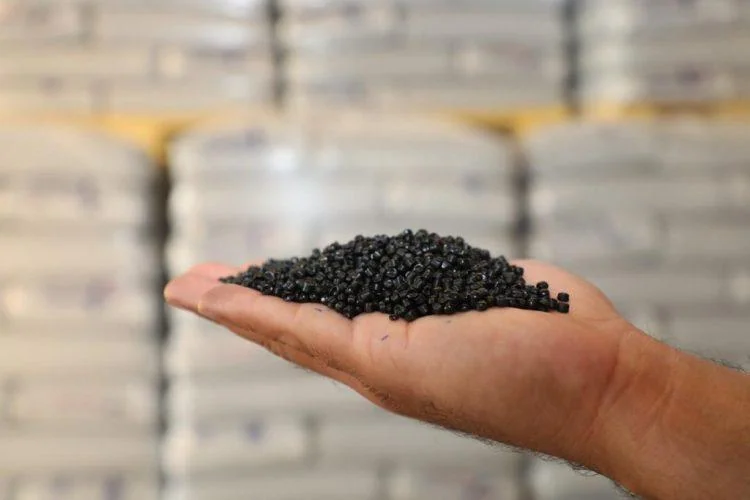
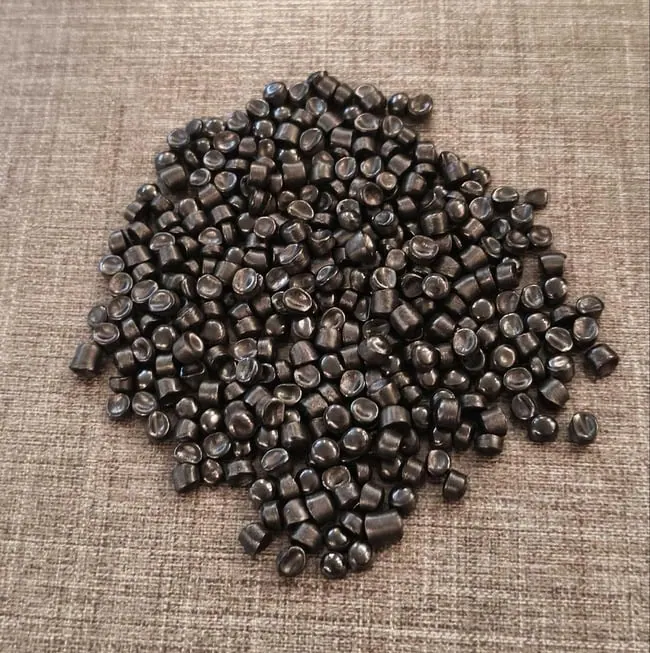
CRP100 Black is a high-density polyethylene (HDPE) grade, classified under PE100. It is engineered with a high molecular weight and optimized carbon black content (typically around 2–2.5%), which provides superior UV protection and long-term resistance to weathering. This makes it ideal for both underground and above-ground applications.
Some defining properties of CRP100 Black include:
- High Melt Viscosity: Ensures ease of extrusion and molding for seamless pipe production.
- Exceptional Resistance to Stress and Cracking: Offers long-term performance even in high-pressure systems.
- Durability in Harsh Environments: Stands up to soil conditions, aggressive chemicals, and climatic variations.
- High Service Life Expectancy: When installed correctly, PE100 pipes made from CRP100 Black can last over 100 years.
With its robust performance characteristics, CRP100 Black has replaced traditional materials like cast iron, steel, and concrete pipes in numerous industries.
Key Applications in Infrastructure
The adoption of CRP100 Black polyethylene has revolutionized multiple sectors:
1. Potable Water Distribution
With its non-toxic nature, corrosion resistance, and long service life, CRP100 Black is the preferred choice for drinking water networks.
2. Natural Gas Transmission
High-pressure gas pipeline networks increasingly use CRP100 Black pipes due to their lightweight design, leak-proof joints, and ability to withstand ground movements.
3. Sewage and Wastewater Management
Industrial and municipal wastewater systems benefit from HDPE’s chemical resistance and smooth inner surfaces, which minimize deposits and scaling.
4. Agricultural Irrigation
Farmers rely on CRP100 Black for irrigation systems, benefiting from its cost-effectiveness, durability, and ability to withstand extreme weather.
5. Industrial Applications
The chemical industry, mining, and oil & gas sectors use CRP100 Black pipes to transport aggressive fluids safely.
6. Renewable Energy Projects
As renewable energy systems expand, polyethylene piping is also being used in geothermal energy loops, biofuel facilities, and desalination plants.
Economic Impact of CRP100 Black Adoption
The adoption of polyethylene CRP100 Black pipes has significantly reduced infrastructure development costs worldwide by offering a combination of efficiency, durability, and safety. Their lightweight nature makes transport and installation faster and more affordable, reducing labor and handling expenses, while their exceptional resistance to corrosion, scaling, and chemical damage minimizes long-term maintenance requirements. Leak-proof joints and smooth inner surfaces further enhance system performance by preventing water loss, which is particularly valuable in regions facing water scarcity. Additionally, the material’s inherent flexibility provides enhanced safety during seismic activity, as it resists cracking and breakage better than rigid alternatives, making CRP100 Black a reliable and cost-effective solution for modern infrastructure.
Sustainability and Environmental Advantages
Polyethylene pipes are recyclable and have a smaller environmental footprint compared to metal or concrete alternatives. Retrona’s production facilities incorporate recycling of off-spec materials, energy-efficient operations, and environmentally conscious logistics planning. Additionally, longer-lasting HDPE pipes reduce waste by minimizing replacements over decades.
The Future of CRP100 Black
As infrastructure requirements become more complex, the role of high-performance materials like CRP100 Black will continue to grow. Retrona’s ongoing R&D investments aim to enhance pipe resistance to disinfectants, expand temperature tolerance, and create innovative piping solutions for specialized industries like desalination and district heating.
The push toward sustainable urban development and smart cities further increases the demand for materials that are lightweight, durable, and eco-friendly. CRP100 Black fits perfectly into this vision.
Conclusion
Polyethylene CRP100 Black is more than just a material; it’s a strategic enabler of modern infrastructure. Its strength, durability, and cost-effectiveness have made it the backbone of water, gas, and industrial piping networks worldwide.
Companies like Retrona are leading the charge by not only producing world-class CRP100 Black polyethylene but also ensuring its availability across global markets, especially in the CIS region. By combining technical expertise, global standards compliance, and a strong focus on sustainability, Retrona continues to set benchmarks in the polymer industry.
Read more engaging articles that empower you with knowledge and inspiration.