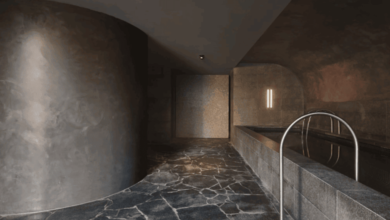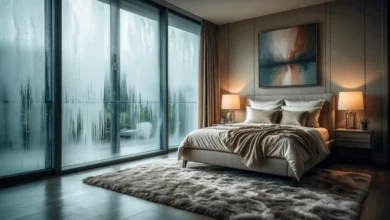

The question around custom home vs pre-built home often comes up early in the home buying journey. At first, the decision may seem practical. One option promises speed and certainty. The other offers flexibility and personal expression. Yet the real difference appear after daily life begins.
Home is where you can find shelter. It influences moods, routines, friendships, and provides long-term peace. A better decision is based not so much on size or the finishes, and more on the way you’d like life to feel inside those walls. This guide explains the difference between custom and pre-built homes with real life experiences, ordinary routines, and the long-term benefits.
The Custom Home vs Pre-Built Home Question Reflects Lifestyle Priorities
The choice between custom home vs pre-built home quietly influences how each day unfolds. Morning light, shared meals, quiet evenings, and personal downtime all feel different depending on how a space gets designed.
Pre-built homes often suit phases of life marked by urgency. Job changes, growing families, or relocation deadlines push buyers toward ready-made options. Familiar layouts and predictable timelines provide reassurance during busy transitions. Everything feels organized and efficient at first.
Over time, subtle compromises may surface. Storage never feels quite right. Certain rooms feel darker or tighter than expected. Privacy may feel limited during busy hours. These details rarely stand out during a quick walkthrough but become noticeable through daily use.
A custom home often enters the picture when long-term comfort takes priority over speed. Each space gets shaped around habits, preferences, and future changes. The difference between custom and pre-built homes usually reveals itself through experience, not brochures.
A Pre-Built Home Shape Daily Living
Pre-built homes get designed for broad appeal. They aim to attract buyers. However, the layouts are based on established strategies. Neutral finishes, typical size rooms, and recognizable flow are the mainstays of these layouts.
This approach offers real benefits. Buyers face fewer decisions. Costs stay predictable. Move-in dates feel easier to plan. This simplicity brings peace of mind, particularly for the first-time buyers.
Indeed, normal routine sometimes asks for adjustments. Furniture must work around fixed layouts. Storage solutions require creativity. Certain rooms may serve multiple purposes without truly fitting any of them well.
Privacy can feel limited, especially in densely built communities. Noise travels. Outdoor spaces feel similar from one home to the next. Initially, these issues seem minor, but as time passes, they can affect comfort.
The pre-built houses are a practical option, particularly in high-speed phases of our lives. They provide stability and structure when flexibility feels less urgent.
Custom Homes Commonly Create Emotional Comfort
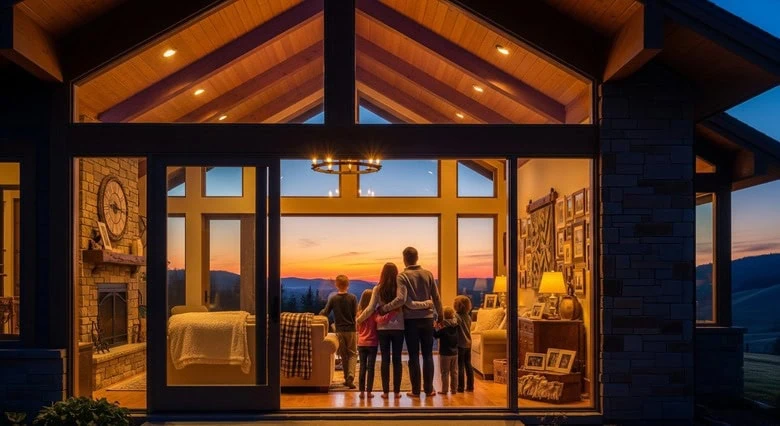
Custom homes usually begin with conversations, not templates. Buyers talk through how they live, rest, and gather. Morning routines, work-from-home needs, family traditions, and future plans all guide early decisions.
This attention to detail shapes emotional comfort. Rooms align with natural habits. Light enters where it feels most welcome. Quiet areas stay separate from active zones. Privacy and openness find balance.
These qualities define many custom home benefits. Instead of adjusting life to fit the house, the house supports life as it unfolds. Over time, that alignment creates a sense of ease that feels hard to replace.
Emotional comfort often grows stronger with time. As seasons pass, spaces continue to feel relevant. The home adapts as families grow, routines shift, and priorities evolve. That quiet sense of belonging carries lasting value.
Financial Perspectives Often Shift Over Time
Budgets guide many early decisions. Pre-built homes present clear pricing. Buyers know what to expect upfront, which feels reassuring during planning stages. Financing often feels straightforward.
Custom homes involve deeper financial conversations. Costs may appear layered at first. Design choices, materials, and timelines require thoughtful planning. This process can feel overwhelming without proper guidance.
Over time, financial perspectives often shift. Custom homes frequently reduce the need for future renovations. Energy efficiency tends to improve through intentional design. Materials get selected for durability, not just appearance.
Several custom home benefits reveal themselves gradually. Maintenance stays manageable. Spaces age well. Owners feel less pressure to remodel or expand later. Satisfaction carries its own quiet financial worth.
Design Freedom Shapes Long-Term Satisfaction
Design freedom affects comfort more than aesthetics. Pre-built homes limit structural choices. Room placement, ceiling heights, and traffic flow already exist. Changes often remain costly or restricted.
Custom homes allow intentional planning. Natural light receives careful attention. Storage integrates seamlessly. Movement through the home feels natural rather than forced.
This freedom supports changing needs. Home offices can shift roles. Guest rooms adapt. Living spaces evolve as families grow or downsize.
Buyers exploring custom home design in Mississauga often seek this adaptability. Collaboration with designers and builders allows ideas to develop thoughtfully. The home grows alongside personal stories rather than resisting them.
Time Investment Often Reflects Personal Values
Time pressures influence many home decisions. Pre-built homes suit buyers with tight schedules. Construction already finished. Closing dates feel predictable. Life moves forward quickly.
Custom homes follow longer journeys. Design stages, approvals, and construction require patience. Decisions unfold gradually, allowing reflection and adjustment.
That time investment often strengthens confidence. Buyers feel involved in every stage. Each choice carries intention. The process becomes part of the story.
Many homeowners later appreciate this slower pace. Spaces feel earned. The final result reflects careful thought rather than rushed compromise. That sense of ownership often defines lasting satisfaction.
Professional Guidance Quietly Shapes Outcomes
Guidance influences outcomes more than many realize. Pre-built purchases involve fewer professional interactions. Most decisions get finalized before buyers step in.
Custom homes depend on collaboration. Architects, designers, and builders all play roles in shaping the experience. Trusted architecture firms in Mississauga often guide early choices with clarity and patience.
Through thoughtful planning, common mistakes get avoided. Ideas evolve with expert input. Stress stays manageable. Clear communication keeps expectations aligned.
Strong professional support enhances many custom home benefits. The process feels less overwhelming and more rewarding. Buyers feel supported rather than pressured.
The Right Home Choice Aligns with Daily Life
The better choice depends on how life should unfold inside the home. Speed, simplicity, and predictability often favor pre-built homes. Personal expression, adaptability, and long-term comfort often favor custom homes.
Daily routines deserve careful attention. Future needs deserve space. When buyers reflect honestly, the difference between custom and pre-built homes often answers itself.
Those exploring custom home design in Mississauga often seek deeper comfort rather than trends. Collaboration with experienced architecture firms in Mississauga supports that vision with care and clarity.
The final decision rarely feels purely logical. Emotion, comfort, and long-term peace guide the heart. When thoughtful professionals like Dinh Design support the journey, the result often feels quietly right.
FAQs
What defines a custom home?
A custom home gets designed around personal routines, preferences, and future needs. Layouts, materials, and flow receive intentional planning rather than standardized templates.
Why choose pre-built homes?
Pre-built homes suit buyers seeking faster move-in timelines and predictable costs. Familiar layouts often feel comfortable during busy life stages.
How budgets differ between options?
Pre-built homes show fixed pricing early. Custom homes require planning but often reduce future renovation and maintenance costs.
Where do design limits appear?
Design limits appear more often in pre-built homes. Structural changes usually stay restricted, while custom homes allow deeper flexibility.
When does custom living feel valuable?
Custom living often feels valuable once daily routines settle. Personalized spaces quietly improve comfort, privacy, and long-term satisfaction.
Continue your research with more articles you may find useful.