

Modern burnout is silently affecting many women who feel they have to “do it all.” Many now feel drained no matter how much they rest, can’t unwind at night, and find themselves snapping at loved ones or forgetting little things. This constant exhaustion might be common, but it shouldn’t be seen as normal. The good news is, there are real solutions once women understand where these challenges come from and can make actual changes to how they live, recover, and allocate their time.
The Lie Behind “Doing It All”
Society has continued to expect women to shine at their jobs, provide top-notch care at home, and remain emotionally available to friends and family. Even when both partners have demanding careers, women are most often left to handle the lion’s share of cooking, cleaning, organizing schedules, and keeping family life running smoothly.
These unspoken expectations amount to a double shift: first comes paid employment, and after clocking out, an unpaid role at home that never ends. Many women, on top of all this, push themselves to excel in every aspect of life, feeling guilty if they ever show signs of tiredness or failure. In the long run, this pressure piles up until tiredness and overwhelm feel like the accepted default.
Feeling Worn Down Isn’t “Just Life”
It’s perfectly natural to feel tired after a particularly busy day. But when fatigue sticks around even after a full night’s sleep, it can signal deeper burnout. Burnout doesn’t just manifest as tiredness. It can bring muscle tension, gut problems, and headaches, or mood changes like feeling anxious, easily irritated, numb, or unmotivated. This fog can also cloud your memory and dampen your focus.
Time and again we see this pattern show up more for women than men – especially if women are trying to juggle multiple roles or feel responsible for everything in their lives. Sometimes the most successful, capable women are battling the deepest type of hidden exhaustion, wondering privately what’s wrong, and why rest never quite fills their cup.
The Real Roots of Women’s Burnout
Women’s burnout isn’t just about having too much on their plate. It results from a collision of heavy expectations, biological factors, and being stuck in a permanent state of high alert. Recognizing these roots shows that the problem is not a personal failure or a shortage of willpower. Instead, it’s the result of a setup that almost guarantees overwhelming stress.
Some of the main drivers include:
- Societal Conditioning From an early age, women often learn to prioritize caregiving, compromise, and homemaking – even when they also build impressive careers or are the main earners. This can leave them scared to draw boundaries or ask for help, due to guilt or fear of being labeled selfish.
- Mental Overload The pressure to remember doctor’s appointments, coordinate family events, track bills, and handle small details never lets up. Even when sitting on the couch, a woman’s mind might still be ticking off to-dos, making real rest nearly impossible.
- Perfectionism and Non-Stop Hustling Measurements of personal worth are often unwittingly linked to achievements – an organized home, thriving children, or flawless work. If women don’t feel they’ve “earned” a break, true rest gets repeatedly put off until burnout has taken root.
- Lack of True Recovery Many typical evening habits, like endlessly scrolling or catching up on TV while multi-tasking, may feel relaxing but do little to mend an overstimulated nervous system. Without an intentional approach to rest, stress remains high, sleep gets disturbed, and you wake up just as worn out.
Early Warning Signs from the Body
Burnout never appears from nowhere – it’s a slow buildup. The body gives quiet warnings before reaching a breaking point, signaling time for change. Listening to your body isn’t weakness, but a necessary act of self-care.
Some typical signs are:
Physical Warnings
- Consistently waking up feeling just as tired as when you went to bed.
- Recurring pain in the neck, shoulders, or mysterious aches that don’t go away.
- More frequent colds or unusual headaches and digestive troubles.
Emotional Signals
- Feeling near tears, snappy, or unusually overwhelmed from minor issues.
- Struggling to find joy even in parts of life that should be enjoyable, or just going through the motions.
- Finding yourself resentful towards the people closest to you because you have nothing left to give.
Cognitive Red Flags
- It becomes hard to concentrate, finish tasks, or you frequently forget small things.
- You start dreading responsibilities that, before burnout, never seemed like a burden.
- Don’t brush these signs off as failing. Your body is simply asking for a new way forward.
Rethinking Success and Comfort
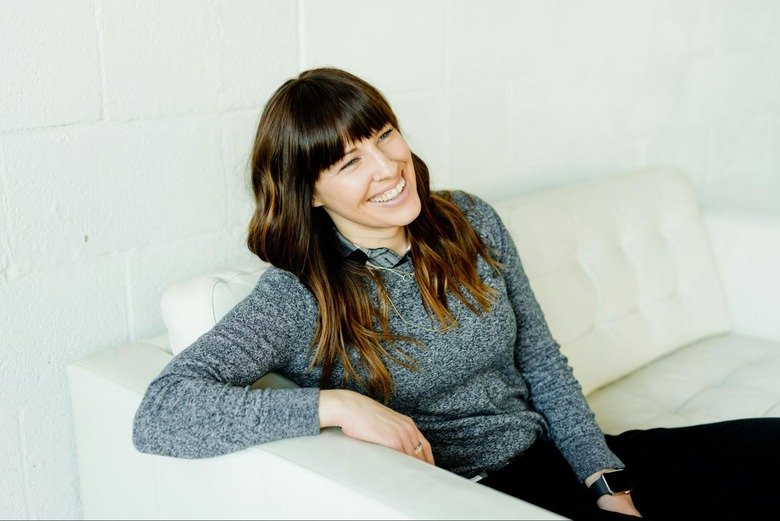
Recovering from burnout means creating your own picture of success. This isn’t about what’s promoted on social media or expected culturally – it’s about what really works for you. Many women are opting to drop out of rigid roles, mold their careers differently, or shift how their families operate in order to find more balance and well-being.
What helps?
- Changing How “Doing It All” Looks Instead of demanding perfection in every sphere of life all at once, try focusing on just one or two priorities at a time. Allow certain things to be “okay for now” instead of chasing the impossible goal of doing everything perfectly – this can open up some needed space for rest.
- Finding Real Support Dividing household responsibilities, seeking help (paid or practical), and delegating at work lightens the hidden mental burden. You’re also more likely to make progress if you turn to supportive platforms, coaching, or online wellness resources – like those available through Beavida – which offer guidance so you feel less alone on your journey to healing.
- Making Rest a True Priority Simple, mindful routines work wonders: regular walks outside, pausing for slow breaths, weaving in moments without a screen, and keeping a steady sleep schedule recharge your system more than one-off days off or binge watching ever will.
If you start treating persistent tiredness like a helpful signal – rather than a badge of strength – burnout won’t define you. Being endlessly tired isn’t a fact of life. You can change the pattern, nurture your well-being, and move forward stronger, with the help you deserve from communities and resources like beavida.com.
If you found this helpful, you may also enjoy these related articles.