Ibiza and Formentera remain among the Mediterranean’s most recognisable destinations, but their popularity is creating a difficult question for the travel industry: how can visitors enjoy the islands without placing more pressure on fragile coastal ecosystems? The debate has become especially visible during the summer months, when beaches, roads, marinas and wastewater systems all operate close to their limits.
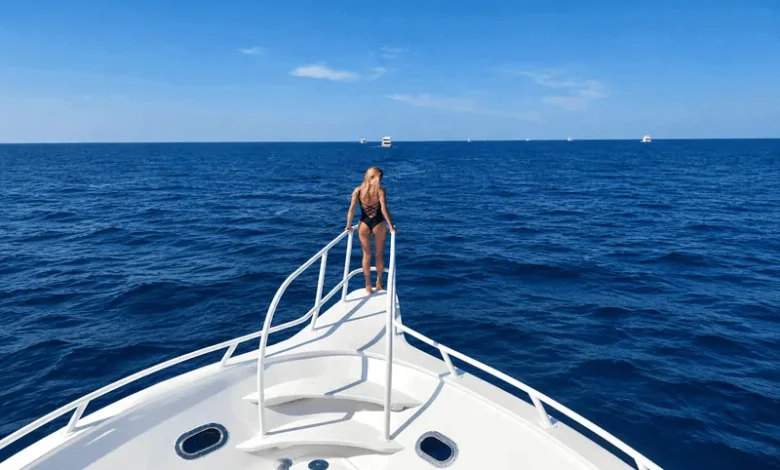
For many travellers, a day on the water offers a practical alternative to spending the entire day in crowded coastal areas. A private boat Ibiza to Formentera experience can provide access to quieter coves and more flexible routes, but the environmental impact depends on how boats are operated, where they anchor and how passengers behave once they reach the shore.
The Balearic Islands have spent years trying to balance tourism with conservation. Formentera is particularly sensitive because of its small size, limited freshwater resources and extensive seagrass meadows. These underwater habitats, known locally as posidonia, help stabilise the seabed, store carbon and support marine life. Damage caused by anchors can take years to repair.
Why the Islands are under pressure
Tourism is essential to the local economy, supporting hotels, restaurants, transport companies, excursion operators and small businesses. Yet the concentration of visitors into a few weeks produces intense seasonal pressure. During peak periods, popular beaches may receive more people than their infrastructure was designed to handle, while roads and parking areas struggle with the volume of rental cars and scooters.
Water consumption is another concern. Hotels, private homes, restaurants and boats all require supplies during the driest part of the year, when natural reserves are already limited. The issue is not simply how much water each visitor uses. It is also the cumulative effect of thousands of people arriving at the same time in a territory with restricted resources.
Waste management creates a similar challenge. Single-use bottles, takeaway packaging and discarded fishing equipment can quickly become visible along beaches and in harbours. Even when rubbish is collected, transporting and processing it on islands is more complicated and expensive than on the mainland.
What responsible boating looks like
Choosing a boat does not automatically make a trip sustainable. Responsible operators need to consider the entire journey, from fuel consumption and route planning to waste collection and anchoring practices. A well-managed excursion may use established mooring areas, avoid sensitive seabeds and reduce unnecessary stops between destinations.
Passengers also influence the result. Small decisions matter when they are repeated across hundreds of boats each day:
- Use refillable bottles instead of disposable plastic.
- Keep food packaging on board until it can be disposed of properly.
- Never drop cigarette ends, wipes or fishing line into the sea.
- Follow local instructions around protected areas and swimming zones.
- Choose established mooring points rather than anchoring over seagrass.
These measures may sound modest, but they address some of the most common sources of damage. A boat that carries fewer unnecessary supplies, follows a carefully planned route and avoids sensitive habitats can reduce its footprint without making the experience less enjoyable.
A shift in the meaning of luxury
The growth of private excursions also reflects a wider change in travel preferences. Many visitors are no longer seeking the busiest beach or the most photographed restaurant. They want time, privacy and a sense of place. On Ibiza and Formentera, that can mean swimming in a sheltered cove, eating a simple lunch on board or watching the light change over the coastline.
That form of travel can be valuable for local businesses, particularly when spending reaches smaller providers rather than remaining concentrated in large resorts. It can also spread visitor activity across a wider area. The benefit disappears, however, if quieter locations become overcrowded or if boats treat protected waters as unrestricted parking.
The most responsible operators are increasingly expected to explain their practices clearly. Visitors may reasonably ask where a vessel anchors, how waste is handled, whether the crew respects navigation restrictions and what steps are taken to limit fuel use. Transparency is becoming part of the service, not an optional extra.
Planning for a more balanced season
Local authorities face a complicated task. Restrictions on access, anchoring and vehicle use can protect the islands, but they must be supported by clear information and realistic alternatives. Visitors need to know the rules before arriving, while businesses need consistent guidance rather than sudden changes introduced during the busiest weeks.
Travelling outside the height of summer can ease pressure and offer a different view of the islands. May, June, September and early October often bring warm weather, open restaurants and calmer conditions, although sea and wind conditions can change quickly. Fewer visitors also make it easier to appreciate the landscapes without competing for every available space.
Ibiza and Formentera are unlikely to become less popular in the near future. Their appeal is too strong, and the region’s tourism economy remains deeply established. The immediate challenge is more practical: ensuring that a day beside the sea does not quietly damage the environment that brought people there.
Read more relevant blogs and insights on Ibiza, Formentera, boating, and responsible travel.